
The Hidden Role of NBA Team Nutritionists in Player Longevity
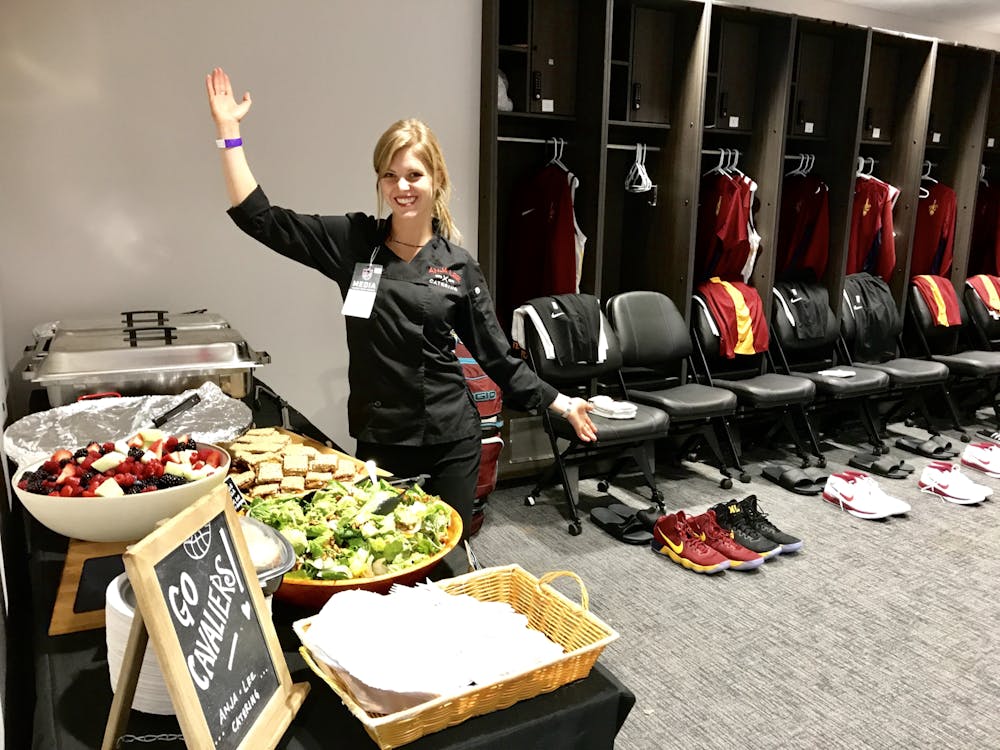
In the fast-paced world of basketball, where sprinting and jumping define success, the spotlight rarely lands on the professionals who fuel the athletes: team nutritionists. These experts play a crucial role in the NBA, crafting meal plans and recovery nutrition strategies that keep basketball players performing at their peak through grueling seasons and into it’s playoff season. While proper nutrition’s impact on performance is well-known, the day-to-day grind of NBA nutritionists—pre-game meals, travel regimens, and recovery shakes—gets little attention. Fans curious about how NBA players maintain their edge want insider foodie tips, and this underreported story reveals how the right food drives their performances. Beyond the dazzling dunks and clutch shots, it’s the meticulous planning of nutritionists that ensures players can endure the physical toll of an 82-game season, not to mention the intense playoff battles that follow.
How Player Eating Has Evolved in the NBA
The NBA has evolved dramatically from an era when a basketball player might scarf down creamy peanut butter sandwiches or love their PB&J’s—thicker the sandwich, the better—to a league obsessed with science-driven diets. Back in those early days, nutrition for basketball players was barely an afterthought; players relied heavily on raw talent and sheer grit, not a well-balanced diet packed with nutrients. Today, as we stand in March 2025, NBA teams employ highly skilled nutritionists who leverage cutting-edge tools they use, like wearable tech, to ensure professional basketball players optimize their intake for basketball players. This seismic shift has helped athletes take their longevity to unprecedented new heights, with stars like LeBron James, an NBA champion, still dominating the court at age 40 thanks to the fact that healthy foods don’t just taste good—they perform. The transformation reflects a broader understanding that what players eat directly influences how long they can compete at the elite level in the world of basketball.
The Day-to-Day Grind: What Nutritionists Do
An NBA nutritionist’s regimen begins with a deep dive into each player’s packed schedule—morning training sessions, cross-country travel, and high-stakes games. For a basketball player with the Miami Heat or Golden State Warriors, this might mean a carefully crafted pre-game meal of grilled chicken, black forbidden rice, and fruits and vegetables like avocado served an hour before the game. The goal is straightforward yet precise: deliver carbs like whole grains and proteins for muscle repair without weighing players down with heavy, sluggish meals. On travel days, when players are going cross-country—say, from San Francisco to Miami—nutritionists might meal plan portable, nutrient-dense options like coconut crusted shrimp with fluffy quinoa. To prepare this, they combine the coconut flour and tapioca starch together, dip the shrimp, and season with salt and paprika for tasty food that satisfies players and keeps them energized.
Post-game, recovery shakes packed with 1-2 grams of protein per kilogram of body weight hit the locker room with urgency. A player should consume this within 30 minutes to kickstart muscle protein synthesis and replenish the energy and protein stores depleted during the intensity of play. For a 200-pound (90-kilogram) NBA player, that translates to 90-180 grams of protein daily—sometimes almond butter or whey-based, depending on individual food preferences. These choices, meticulously tailored per kilogram of body weight, make the players ready for the next challenge, whether it’s a back-to-back game or a demanding practice session. The attention to detail here is relentless, ensuring that every bite contributes to a player’s ability to perform night after night.
LeBron’s $1.5 Million Diet: Myth or Masterplan?
LeBron James’ rumored $1.5 million annual diet spend highlights just how much professional basketball demands elite resources and dedication. While exact details remain scarce—his team keeps the specifics tightly under wraps—his approach likely includes foods like salmon, rich in omega-3 fatty acids, and whole grains to maintain his body weight and stamina. Former teammate Tristan Thompson once jokingly described LeBron’s indulgent breakfasts, packed with French toast and syrup, but the real story is a disciplined regimen of healthy fats like fish, lean proteins, and even wine pairing tips (red wine for antioxidants, sipped in moderation since the players can even drink alcohol sparingly). Whether this $1.5 million figure is myth or masterplan, LeBron’s focus on delicious and good nutrition underscores its undeniable payoff in the world of basketball. His ability to compete at an elite level into his 40s serves as a testament to how the right food can transform a career.
The Plant-Based Revolution in 2025
By March 2025, a vegan diet has taken firm root in the NBA, marking a significant shift in how players fuel their bodies. Chris Paul, thriving at 39 with the San Antonio Spurs, credits plant-based eating for his sustained energy, swapping out meat for options like granola and avocado. DeAndre Jordan’s Beyond Meat collaborations and Kyrie Irving’s lighter intake demonstrate how healthy food can build muscle mass without the excess fat that comes with traditional diets. Nutritionists now focus on foods like whole grains and fruits and vegetables, incorporating that approach into creative meals like crusted shrimp with fluffy quinoa. While some players scoff—like Andrew Bogut with his red meat rule of thumb—the trend aligns with factors like sustainability and recovery, proving healthy foods don’t have to be mutually exclusive however with flavor. This movement reflects a broader cultural shift in 2025, where players and teams alike prioritize long-term health alongside performance.
Recovery Shakes: The Secret Weapon
Recovery nutrition hinges on the power of shakes, a cornerstone of an NBA player’s post-game routine. After sprinting and jumping for hours, a basketball player will need a mix of 30 grams of protein, carbs like maltodextrin, and electrolytes—think coconut water for hydration—to recover effectively. For Nikola Jokić, who shed weight lost from his soda-chugging days in Serbia, shakes keep muscle mass intact without piling on many calories. Devin Booker might sip a lighter blend with proteins like fish to avoid bloating after a game. Studies show this boosts glycogen replenishment by 50%, a key amount of calories per day in order to strive to make players bounce back faster. This science-backed approach ensures that players can handle the physical demands of the season, game after game, without breaking down.
The Personal Touch: Chefs and Player Preferences
Personal chefs turn meal plans into reality, adding a layer of customization that keeps players engaged. Kevin Durant’s fish-heavy pre-game ritual curbs inflammation, while Jimmy Butler demands avocado for its healthy fats in every dish. Players will eat what aligns with their smell and taste preferences—sometimes almond butter over peanut butter—ensuring satisfied players stick to the plan over the long haul. On X, stars share their love for their chefs, with one joking about sneaking Skittles into a shake, only to find berries instead—a lighthearted nod to the balance of discipline and humanity. Trainers and managers work closely with nutritionists to find that many players crave tasty food that’s also functional, like salmon or homemade cocktail sauce with shrimp, making the diet sustainable and enjoyable.
The Longevity Payoff
The payoff of this nutritional overhaul is clear and measurable: LeBron logs an impressive 33.6 minutes per game at 40, while Dwight Howard’s shift from sugar to healthy eating erased nerve issues that once plagued him. Charles Barkley’s pizza love shortened his prime, and Joel Embiid’s milkshake habit correlates with recurring injuries—proof that intake for basketball players matters more than many realize. A 2025 study found a well-balanced diet cuts fatigue by 20%, a vital edge when every game counts per day in order to chase titles. The amount of calories a player will need—often 3,000-4,000—depends on body weight and the hours of time spent on the court, underscoring how personalized this process has become. For players aiming to extend their careers, nutrition is the foundation that makes it possible.
The Future: What’s Next for NBA Nutrition?
Looking ahead to the remainder of 2025 and beyond, NBA nutritionists are eyeing innovations that could further revolutionize the game. Wearable glucose trackers could adjust carbs like quinoa in real time, providing a dynamic approach to fueling players based on their immediate needs. Fermented foods like kimchi, rich in probiotics, might boost gut health and become as common as avocado in locker rooms. Sustainable menus with proteins for muscle repair—like fish or plant-based options—reflect 2025’s growing eco-consciousness, blending performance with planetary responsibility. For fans, this deep dive reveals how nutritionists think this lesson: the right food, from avocado to granola, fuels longevity in ways that talent alone cannot. So when an NBA player dunks at 40 or threads a no-look pass at 39, credit the nutritionists—they’re the hidden MVPs making professional basketball thrive, kilogram of body weight daily optimized, one delicious bite at a time. Their work ensures that the stars of today can remain the legends of tomorrow, season after season.



Leave a comment