
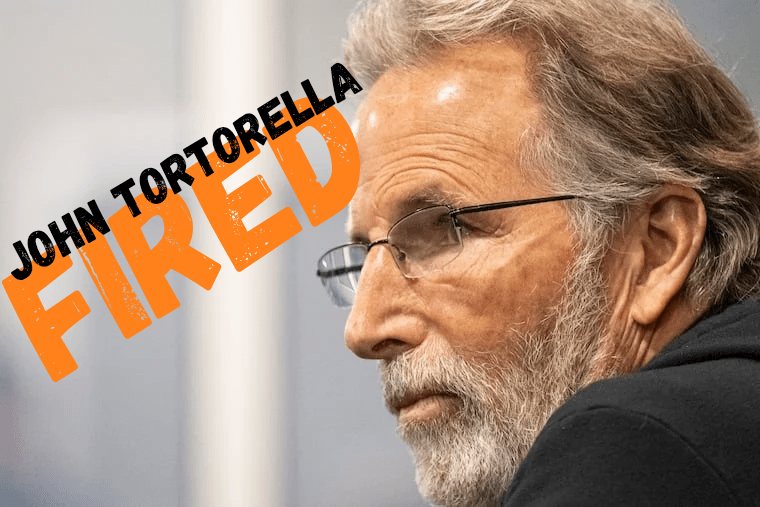
On March 27, 2025, the Philadelphia Flyers dropped a bombshell: John Tortorella, the fiery head coach who’d been steering their rebuild since June 2022, was fired with just nine games left in the season. For a team that’s been clawing its way through a roster overhaul, Tortorella’s departure feels like a gut punch—not just for its timing, but for what it says about the disconnect between the front office and the man they hired to reshape the franchise.
The Tortorella Era Begins
When Tortorella signed on with the Flyers, the team was reeling from a dismal 2021-22 season. A franchise once known for its grit and postseason pedigree had lost its identity, trading away captain Claude Giroux and stumbling to a 25-46-11 finish. Enter Tortorella, a Stanley Cup winner with Tampa Bay in 2004 and a coach renowned for his no-nonsense style. The Flyers didn’t bring him in to chase a Cup overnight; they tasked him with laying the groundwork for a rebuild—instilling a culture of accountability, hard work, and defensive tenacity. Over his three-year tenure, he delivered just that, finishing with a 97-107-33 record. Not gaudy numbers, sure, but let’s dig deeper.
Overperforming Against the Odds.
The Flyers’ roster wasn’t exactly a murderer’s row of talent when Tortorella took over, and it hasn’t gotten much prettier since. Goaltending has been a revolving door of instability since Carter Hart’s departure in January 2024, and the lineup has leaned heavily on young players like Travis Konecny, Owen Tippett, and Cam York, mixed with journeymen and reclamation projects. Yet, under Tortorella, this team punched above its weight. In 2023-24, they battled into a playoff race until the final game, defying preseason predictions of a bottom-tier finish. This year, even with a 28-36-9 record at the time of his firing, the Flyers showed flashes of competitiveness that belied their rebuilding label—until the wheels fell off late.
Tortorella’s fingerprints were all over that overperformance. He preached a “next man up” mentality, turning a patchwork roster into a group that played hard every night. His defensive system squeezed the most out of limited skill, and players like Konecny and Travis Sanheim blossomed under his tough-love approach. For three years, the Flyers were rarely an easy out, a testament to the culture Tortorella built.
The Toronto Tipping Point
The end came swiftly after a 7-2 drubbing in Toronto on March 25, 2025. In the postgame presser, Tortorella didn’t mince words: “This falls on me. I’m not really interested in learning how to coach this type of season where we’re at right now, but I have to do a better job. So this falls on me, getting the team prepared to play the proper way until we get to the end.” Those comments lit a firestorm. Some saw it as a coach taking accountability; others read it as a man waving a white flag on a rebuild he didn’t sign up for. Thirty-six hours later, he was gone.
Talk swirled that Tortorella had “lost the locker room,” a narrative fueled by the team’s late-season spiral—11 losses in their last 12 games, outscored 52-21. But was it really about losing the room, or was something bigger at play?
The Front Office’s Role: No Reward for Hard Work
Here’s where I part ways with the “lost the locker room” crowd. For three years, Tortorella’s players bought into his message: work hard, play the right way, and good things will follow. They overperformed, scrapping for every point despite a roster thin on elite talent. And how did the front office reward them? By stripping the team bare at the trade deadline. Over five weeks, GM Danny Briere traded away key pieces—Sean Walker, Joel Farabee, Morgan Frost, Scott Laughton, and Erik Johnson—leaving a skeleton crew to finish the season. For a team that was in the wild card hunt earlier this year, those moves didn’t just hurt their playoff chances; they sent a message: your effort doesn’t pay off.
Imagine grinding under Tortorella’s demanding system for three seasons, only to see the front office pull the rug out when you’re close to a postseason berth. That’s not losing the locker room—that’s the locker room losing faith in the plan. Tortorella’s culture of accountability and next-man-up resilience only works if there’s a light at the end of the tunnel. Instead, the Flyers’ brain trust doubled down on a rebuild even he seemed blindsided by.
A Rebuild He Didn’t Expect?
Tortorella’s Toronto comments hint at a deeper rift. “I’m not really interested in learning how to coach this type of season” isn’t just frustration—it’s a cry from a coach who didn’t anticipate this level of teardown. Why take a job with a rebuilding team, only to balk when the rebuild kicks into high gear? The answer lies in consistency—or the lack of it. When Tortorella signed on, the Flyers pitched a gradual reset, not a fire sale. His success in Year 2 (38-33-11) suggested a team on the cusp, not one destined for “rock bottom,” as Briere called it post-firing. The front office’s sharp pivot to seller mode this year caught everyone off guard, including the guy behind the bench.
If there’d been some payoff—say, a playoff berth last year or a roster bolstered this offseason—maybe the players would’ve kept buying in. Instead, three years of overperformance ended with a gutted lineup and a coach left questioning his role. That’s not on Tortorella; it’s on a front office that’s failed to align its vision with its coach and team.
Nine Games Left: A Bad Look
Firing Tortorella with nine games to go is a head-scratcher. Nine games! You couldn’t wait three weeks to part ways cleanly? Those Toronto comments might’ve burned a bridge—GM Danny Briere cited them as “one of the things” that led to the decision—but I’ve heard worse from coaches after bad losses. Bruce Cassidy once called his team “soft” mid-season; he’s still coaching Vegas. Something else is brewing here, whether it’s a clash with Briere and Keith Jones or fallout from a reported spat with Cam York. Whatever it is, the timing screams desperation, and it’s a terrible look for an organization already struggling to sell hope.
What’s Next?
Tortorella’s exit leaves the Flyers at a crossroads. Interim coach Brad Shaw takes over for the final stretch, but the real story unfolds this offseason. Will the front office clarify its plan and reward the players who’ve battled through this rebuild? Or will the disconnect persist, leaving Philly mired in mediocrity? One thing’s clear: Tortorella didn’t fail the Flyers. He gave them an identity and squeezed every drop from a limited roster. If the locker room tuned out, it’s because the front office gave them nothing to play for.
Maybe the full story—whatever sparked this abrupt end—will surface soon. For now, the Flyers look like a team that’s lost its way, not just its coach.



Leave a comment