
The NBA playoffs are a thrilling time for basketball fans, but the first round’s seven-game series can feel like a slog for some. Social media, particularly platforms like TikTok, has been buzzing with fan frustration over lengthy early matchups that seem decided early on. Many argue that blowouts and predictable outcomes sap the excitement, prompting calls for a change. One intriguing idea gaining traction is the “Skunk Rule,” proposed by TikTok user Stripe.Sports. I’ve got my own twist to add to this concept, so let’s dive in and explore how it could shake up the NBA playoffs.
The Skunk Rule: A Simple Fix?
Stripe.Sports’ Skunk Rule is straightforward: if a team goes down 2-0 in the first round, Game 3 becomes an elimination game. The idea is to mercy-rule lopsided series, sparing fans from watching uncompetitive matchups drag on. It’s a bold concept that respects the intensity of the playoffs while addressing the reality that some first-round series—especially between high and low seeds—often lack suspense. Data backs this up: in the 2023 playoffs, 6 out of 8 first-round series ended in five games or fewer, with top seeds like the Denver Nuggets and Boston Celtics dispatching their opponents handily.The Skunk Rule could streamline the postseason, keeping casual viewers engaged and reducing player fatigue early on. Shorter series might also mean fresher legs for stars in later rounds, elevating the quality of play. But there’s a catch: a 2-0 deficit doesn’t always mean a series is over. Close games, decided by a buzzer-beater or overtime, deserve a fighting chance. That’s where my tweak comes in.
My Twist: The Blowout Clause
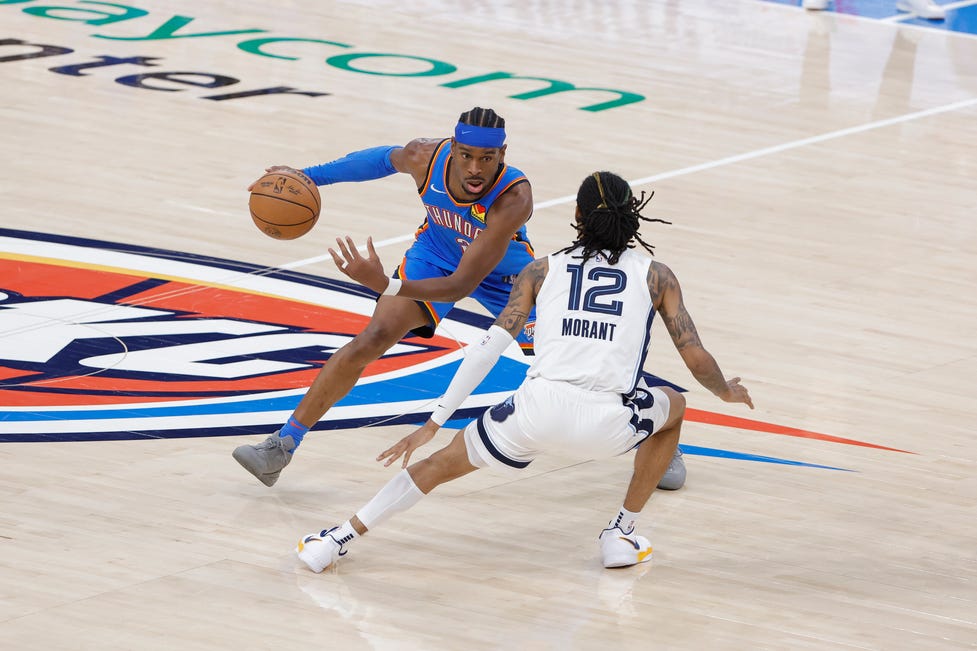
I propose adding a caveat to the Skunk Rule: for Game 3 to become an elimination game, the losing team’s two defeats must each be by 20 points or more. Why? Because narrow losses—like a one-point heartbreaker or an overtime battle—show a team can compete. A 20-point blowout, however, often signals a mismatch too wide to overcome. For context, in the 2022 and 2023 playoffs, first-round games decided by 20+ points frequently involved lower seeds getting steamrolled by top teams (e.g., the 2023 Warriors’ 35-point rout of the Kings in Game 7 was an outlier, but earlier blowouts set the tone).This “Blowout Clause” ensures the Skunk Rule only kicks in for series that feel truly one-sided. It protects teams that lose tight contests while still fast-tracking the inevitable in lopsided matchups. Imagine a No. 1 seed crushing a No. 8 seed by 25 points in Games 1 and 2—fans, players, and broadcasters might appreciate wrapping things up in Game 3 rather than enduring a drawn-out sweep. The first two games against the Memphis grizzlies in OKC would be an ideal candidate for a third game. Elimination.
The Fan Pulse
Social media reflects a growing appetite for change. On X, fans have echoed sentiments like, “First round feels like a formality for top seeds,” and “Seven games for a 1 vs. 8 is overkill.” TikTok’s Stripe.Sports isn’t alone—other creators have floated ideas like shortening first-round series to five games outright. The Skunk Rule, with or without my blowout tweak, strikes a balance: it keeps the seven-game format for competitive series but offers an escape hatch for blowouts. Critics might argue this risks undermining the underdog spirit. Historic comebacks, like the 2016 Cavaliers’ 3-1 rally against the Warriors, prove no lead is safe. But first-round 2-0 deficits are rarely surmounted—since 2003, only 7% of teams down 2-0 in the first round have come back to win. My Blowout Clause further narrows the Skunk Rule’s scope to series where upsets are statistically improbable, preserving the chance for gritty underdogs to fight another day.
What Do You Think?
I’d love to hear your thoughts. Should the NBA experiment with the Skunk Rule? Is my Blowout Clause a fair addition, or should we keep the first round as is? Drop your take in the comments or hit me up on social media. Let’s talk hoops!


Leave a comment