
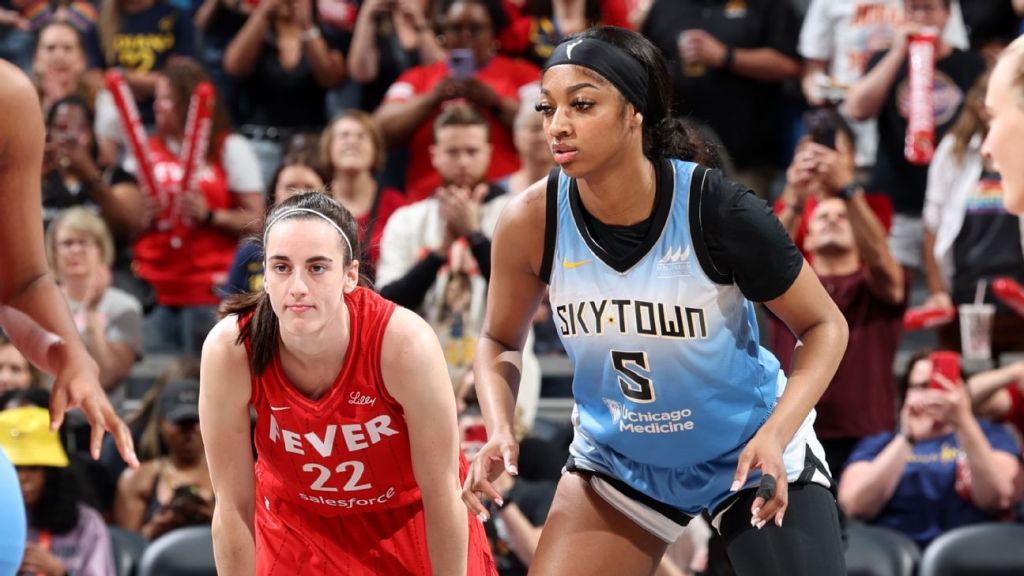
The Women’s National Basketball Association (WNBA) is in the midst of a transformative era, marked by unprecedented growth in viewership, attendance, and cultural relevance. The 2024 season showcased the league’s potential to become a cornerstone of professional sports, driven by a new generation of talent and a passionate fanbase. Yet, alongside this meteoric rise, the WNBA faces internal challenges—controversies, rivalries, and organizational issues—that could shape its trajectory for years to come. As the league stands at a critical crossroads, its ability to navigate these challenges while capitalizing on its momentum will determine its long-term success.
A League on the Rise
The WNBA’s 2024 season was a landmark in its nearly three-decade history, with metrics across the board reflecting a surge in popularity. According to Nielsen data, the season drew over 54 million unique viewers across broadcast and streaming platforms, a record high for the league. This figure represents a significant leap from previous years, underscoring the growing appetite for women’s basketball. Games aired on networks like ESPN, ABC, and CBS Sports, with streaming services such as ESPN+ and Amazon Prime Video expanding accessibility. The WNBA Finals alone averaged 9.9 million viewers per game, a 40% increase from 2023, making it the most-watched Finals in league history.
Attendance figures mirrored this enthusiasm. The league reported an average of 9,807 fans per game, the highest in 22 years. Arenas like the Barclays Center in Brooklyn and the Footprint Center in Phoenix saw sellout crowds for key matchups, with total attendance across the season surpassing 2.3 million. This marked a 17% increase from the previous year, reflecting the league’s ability to draw fans to venues ranging from major metropolitan hubs to smaller markets like Uncasville, Connecticut, home of the Connecticut Sun.
Merchandise sales also reached new heights. The WNBA reported a 236% increase in jersey sales compared to 2023, driven by demand for player-specific apparel. Online sales through the WNBA’s official store and platforms like Fanatics saw unprecedented traffic, with the league’s top-selling jerseys belonging to stars like Caitlin Clark, Sabrina Ionescu, and Breanna Stewart. Social media engagement further amplified the league’s reach, with the WNBA’s official accounts generating nearly 2 billion video views across platforms like Instagram, TikTok, and X during the 2024 season. Posts featuring highlight dunks, game-winning shots, and player interviews consistently went viral, with the league’s TikTok account alone gaining 1.2 million followers over the course of the season.
The catalyst for this surge was undoubtedly the arrival of a dynamic rookie class. Players like Caitlin Clark, selected first overall by the Indiana Fever, and Angel Reese, drafted seventh by the Chicago Sky, brought a new level of excitement to the league. Clark, the NCAA’s all-time leading scorer, averaged 17.1 points and 8.2 assists per game in her debut season, earning her a spot on the All-WNBA First Team. Reese, known for her rebounding prowess, set a league record for consecutive double-doubles, averaging 13.6 points and 12.0 rebounds per game. Their performances, combined with their pre-existing college fanbases, translated into tangible gains for the league. For example, the Indiana Fever saw a 265% increase in home attendance, while the Chicago Sky reported a 71% uptick in ticket sales.
The Clark-Reese rivalry, rooted in their NCAA encounters—most notably the 2023 NCAA Championship game, where Reese’s LSU defeated Clark’s Iowa—became a focal point of the season. Their matchups drew massive audiences, with one Fever-Sky game in June 2024 averaging 2.7 million viewers, the highest for a WNBA regular-season game in 25 years. This rivalry, often compared to the NBA’s Magic Johnson-Larry Bird feud of the 1980s, captivated fans and sparked widespread media coverage, from ESPN to local newspapers. Other rookies, like Kamilla Cardoso of the Chicago Sky and Rickea Jackson of the Los Angeles Sparks, also contributed to the league’s rising profile, but none matched the cultural impact of Clark and Reese.
Beyond individual performances, the WNBA’s growth was supported by strategic initiatives. The league expanded its media partnerships, securing deals with Disney, Amazon, and NBCUniversal to broadcast games across multiple platforms. The introduction of the WNBA Commissioner’s Cup, an in-season tournament, added a new layer of excitement, with the New York Liberty defeating the Las Vegas Aces in the 2024 final. Additionally, the league’s investment in digital content, including behind-the-scenes documentaries and player-driven social media campaigns, helped connect with younger audiences. These efforts positioned the WNBA as a forward-thinking organization, ready to capitalize on the broader cultural shift toward recognizing women’s sports.
Internal Struggles and Controversies
Despite its on-court and commercial successes, the WNBA faced significant challenges in 2024 that tested its ability to maintain a positive public image. The league’s rapid rise brought increased scrutiny, and several high-profile controversies highlighted the complexities of managing a growing sports organization.
The Clark-Reese Rivalry
The rivalry between Caitlin Clark and Angel Reese was a double-edged sword. While it drove viewership and fan engagement, it also sparked polarizing discussions that extended beyond basketball. A notable incident occurred during a June 2024 game when Clark committed a flagrant foul on Reese, making contact during a rebound attempt. The play, which resulted in a technical foul and a brief on-court altercation, ignited debates on social media and sports talk shows. Some commentators framed the incident through a racial lens, noting Clark’s status as a white player and Reese’s as a Black player, and speculated about underlying tensions in the league. Both players addressed the controversy directly, with Clark stating, “Basketball is competitive, but it’s about respect. I don’t see color on the court; I see competitors.” Reese echoed this sentiment, saying, “We’re here to play ball and grow the game, not divide fans.”
The incident underscored broader challenges in the WNBA’s fanbase. While the league has long prided itself on its diversity—over 70% of players are Black, and the league has been a vocal advocate for social justice—some fans used the rivalry to fuel divisive narratives. Social media platforms, particularly X, saw heated exchanges, with hashtags like #ClarkVsReese trending for days. The WNBA responded by issuing a statement condemning racist or hateful rhetoric and emphasizing its commitment to fostering an inclusive environment. The league also partnered with organizations like the Anti-Defamation League to conduct sensitivity training for fans and media, aiming to keep the focus on basketball.
Off-Court Allegations
Off the court, the WNBA faced serious allegations that threatened to tarnish its reputation. In August 2024, a former Phoenix Suns employee filed a lawsuit against the Suns organization, which owns the WNBA’s Phoenix Mercury. The lawsuit alleged racial discrimination and workplace misconduct, including claims that Mercury player Sophie Cunningham was involved in inappropriate behavior during team events. The plaintiff, who worked in the Suns’ marketing department, claimed they were subjected to derogatory comments and unfair treatment based on race. The lawsuit also alleged that the organization failed to address complaints adequately, creating a hostile work environment.
The Mercury and Suns issued a joint statement denying the allegations and pledging to cooperate fully with the investigation. Cunningham, a fan favorite known for her tenacious defense, declined to comment directly but released a statement through her agent affirming her commitment to professionalism. The controversy prompted the WNBA to launch an internal review of workplace policies across all 12 teams, with Commissioner Cathy Engelbert emphasizing the league’s “zero-tolerance policy for discrimination.” The incident highlighted the challenges of ensuring a respectful and inclusive environment, particularly as the league grows and attracts more corporate partnerships.
Other controversies also emerged. In July 2024, a report surfaced about unequal travel accommodations for teams, with some players voicing concerns about the league’s reliance on commercial flights while NBA teams often use private charters. The WNBA responded by announcing a $25 million investment in team travel for the 2025 season, ensuring all teams would have access to charter flights for road games. Additionally, debates over player salaries persisted, with the average WNBA salary of $120,000 in 2024 paling in comparison to the NBA’s $8 million average. While the league’s new media deals are expected to boost revenue and player compensation, addressing these disparities remains a priority.
Navigating the Path Forward
The WNBA stands at a pivotal moment in its history. Its 2024 season demonstrated its potential to compete with major sports leagues in terms of viewership, revenue, and cultural impact. However, to sustain this momentum, the league must address its internal challenges with transparency and resolve. The controversies surrounding the Clark-Reese rivalry and workplace allegations underscore the need for clear policies on inclusivity, fan conduct, and organizational accountability.
The league’s leadership has already taken steps to address these issues. In September 2024, the WNBA announced a diversity, equity, and inclusion (DEI) task force to oversee initiatives aimed at fostering a respectful environment for players, staff, and fans. This includes mandatory training for team personnel and partnerships with community organizations to promote dialogue on race and sportsmanship. The league also plans to expand its mental health resources, recognizing the toll that public scrutiny can take on players, particularly young stars like Clark and Reese.
Looking ahead, the WNBA’s expansion offers a chance to set new standards. The addition of the Golden State Valkyries as the league’s 13th team in 2025, based in San Francisco, marks a significant milestone. The Valkyries, backed by the NBA’s Golden State Warriors, have already generated buzz, with over 7,000 season ticket deposits sold within weeks of the announcement. The league is also exploring further expansion, with potential markets like Portland, Toronto, and Philadelphia under consideration. These new teams will bring fresh talent and fanbases, further diversifying the league’s footprint.
To maintain its growth, the WNBA must continue to prioritize its athletes’ performances and the game’s integrity. Investments in player development, such as expanded training facilities and youth outreach programs, will ensure a steady pipeline of talent. The league’s partnership with Nike, which includes a $100 million commitment to women’s sports over the next decade, will support these efforts. Additionally, enhancing the fan experience—through better arena amenities, interactive digital content, and affordable ticket options—will keep audiences engaged.
The WNBA’s rise is a testament to the power of women’s sports and the dedication of its athletes, coaches, and fans. By addressing its challenges head-on and embracing its diverse talent, the league can solidify its place as a leading force in professional sports. As it navigates this crossroads, the WNBA has an opportunity to redefine what success looks like—not just for itself, but for women’s athletics as a whole.


Leave a comment