In the high-stakes world of Major League Baseball, where every swing can mean the difference between a multi-million-dollar contract and a career in obscurity, the spotlight often falls on the players who deliver under the bright lights of sold-out stadiums. Fans marvel at the home runs, dissect batting averages, and pore over advanced metrics to predict the next superstar. But behind every polished MLB hitter stands a lesser-known figure: the minor league hitting coach. These unsung architects of the game are the first to shape a player’s professional identity, molding raw talent into refined skill through countless hours of instruction, analysis, and encouragement. Far from the glamour of the majors, minor league hitting coaches are the backbone of player development, bridging the gap between potential and performance. Their work is critical, yet often overlooked, and it’s time they received the attention they deserve.
The Crucial Role of Minor League Hitting Coaches
When a young prospect signs their first professional contract, they often arrive with raw athleticism but unpolished skills. The transition from amateur to professional baseball is daunting, requiring adjustments in swing mechanics, plate discipline, and mental approach. This is where minor league hitting coaches step in. They are the first to guide players through the complexities of professional hitting, helping them adapt to faster pitching, tighter strike zones, and the mental grind of a 140-game season. These coaches don’t just teach players how to hit; they help them build an identity as hitters, instilling habits that can carry them to the majors.
What sets these coaches apart is their ability to balance tradition with innovation. They operate in an era where hitting has become a science, driven by data, biomechanics, and technology. Launch angle, exit velocity, and swing path are no longer buzzwords but essential components of a hitter’s development. Minor league hitting coaches are often the early adopters of these tools, integrating high-speed cameras, wearable sensors, and advanced analytics into their instruction. Yet, they must also preserve the timeless art of hitting—reading a pitcher, trusting one’s instincts, and staying mentally sharp through slumps. This blend of old-school wisdom and new-school metrics makes their role both challenging and vital.
Beyond mechanics, these coaches serve as mentors, psychologists, and motivators. They work with players at their most vulnerable, often during the early stages of their careers when confidence can waver and doubts creep in. A good hitting coach doesn’t just tweak a swing; they build trust, foster resilience, and help players navigate the long road to the majors. Their impact is measured not in headlines but in the quiet progress of a prospect who learns to lay off a slider or drive a fastball with authority.
Standout Coaches Making a Difference
While their names may not be household ones, several minor league hitting coaches have left undeniable marks on the game. Their work is evident in the swings of today’s rising stars and tomorrow’s potential All-Stars. Here are a few who stand out for their contributions to player development.
Greg Brown: Cubs Minor League System
Greg Brown, a former MLB hitting coach, has become a development guru in the Chicago Cubs’ minor league system. Working primarily at the Double-A and Triple-A levels, Brown has earned a reputation for revamping swings and sharpening plate discipline. His approach emphasizes swing decisions—knowing when to swing and when to take a pitch—which has proven critical in preparing players for the majors. Insiders credit Brown with the development of hitters like Matt Mervis and Alexander Canario, prospects who have shown flashes of major-league potential. Brown’s ability to tailor his coaching to individual players while incorporating data-driven insights has made him a cornerstone of the Cubs’ farm system.
Ryan Parker: Nationals’ Development Dynamo
Ryan Parker brings a unique perspective to the Washington Nationals’ player development staff. Before joining the organization, Parker ran Launch Angle Tee, a popular hitting blog that broke down the science of swing mechanics for a wide audience. Now, as a player development coach and former hitting analyst, he applies his expertise to refine the mechanical and biomechanical efficiency of Nationals prospects. His work has been particularly impactful during the team’s rebuild, with prospects like James Wood benefiting from his focus on optimizing swing paths and leveraging technology. Parker’s transition from analyst to coach highlights the growing importance of data in minor league development, and his influence is helping shape the Nationals’ future lineup.
Jacob Cruz: Architect of the Pirates’ Hitting Revolution
Jacob Cruz, a former minor league hitting coordinator for the Pittsburgh Pirates and Milwaukee Brewers, played a pivotal role in transforming the Pirates’ farm system into a hitting development powerhouse. Cruz’s strength lies in his ability to integrate technology with individualized coaching plans, ensuring that each player’s swing is both data-informed and tailored to their unique strengths. His work helped lay the foundation for Pittsburgh’s recent success in developing young hitters, and his reputation as a forward-thinking coach has made him a respected figure in the industry. Cruz’s ability to balance analytics with the human element of coaching has set a standard for what modern hitting instruction can achieve.
Rachel Balkovec: Breaking Barriers and Building Hitters
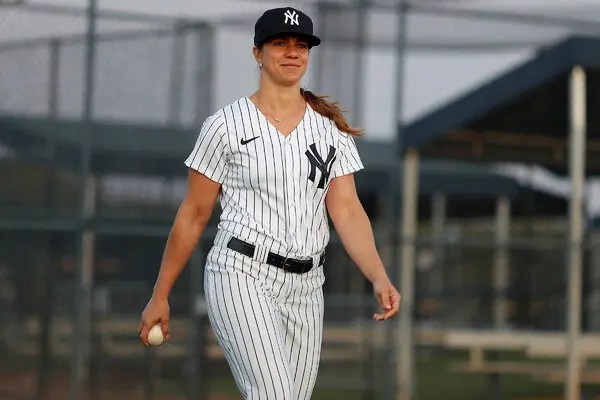
Rachel Balkovec made history as the first female manager in Minor League Baseball, but her impact as a hitting coach with the New York Yankees’ minor league system is equally significant. With a background in strength training and hitting philosophy, Balkovec brings a holistic approach to player development. She helped refine the approaches of rising stars like Anthony Volpe, emphasizing mental preparation and mechanical consistency. Balkovec’s ability to connect with players and adapt her coaching to their needs has earned her widespread respect, and her trailblazing career continues to inspire both players and aspiring coaches.
Jonny Gomes: Grit Meets Modern Hitting
A recent addition to the Boston Red Sox’s minor league staff, Jonny Gomes brings a unique blend of old-school grit and new-school buy-in to his role as a hitting coach. A former MLB outfielder known for his tenacity at the plate, Gomes now helps young hitters simplify their approach and unlock aggression without sacrificing discipline. His coaching style resonates with prospects who need to balance the mental and mechanical demands of professional baseball. Gomes’ fresh perspective and ability to relate to players as a former big-leaguer make him a rising star in the coaching ranks.
What Makes a Great Minor League Hitting Coach?
The impact of a minor league hitting coach is often subtle, but there are clear signs of excellence. One key indicator is the progression of a team’s offensive performance, such as an increase in team OPS (on-base plus slugging) from year to year. This metric reflects a coach’s ability to improve a group’s overall hitting output. Another sign is consistent player improvement, particularly in areas like plate discipline, where prospects learn to chase fewer pitches and make better swing decisions. Positive feedback from prospects and industry insiders also speaks volumes, as does a coach’s “coaching tree”—when their success leads to promotions or opportunities with other organizations.
Great hitting coaches are also adaptable, staying ahead of the curve in a rapidly evolving game. They embrace tools like TrackMan and Blast Motion to analyze swings while maintaining the human connection that helps players trust the process. Their ability to translate complex data into actionable advice is what separates the good from the great, ensuring that prospects can apply insights in real-time at the plate.
Why This Matters to Fans and Teams
For fans, understanding the role of minor league hitting coaches offers a deeper appreciation of the game’s development pipeline. These coaches are often the first to spot breakout prospects, identifying trends in a player’s performance before they show up in box scores. By paying attention to who’s coaching in the minors, fans can get a head start on predicting which prospects might become the next big thing. For example, a coach with a track record of improving plate discipline might signal that a team’s prospects are on the verge of a statistical leap.
For teams, investing in quality hitting coaches is a strategic advantage. Organizations like the Dodgers, Yankees, and Rays have built reputations for developing hitters better than most, thanks in large part to their minor league coaching staffs. A strong farm system, fueled by effective coaching, can produce cost-controlled talent that powers a team’s roster for years. For dynasty league fantasy players, knowing which teams—and which coaches—are producing the best hitters can inform draft strategies and prospect rankings.
The Bigger Picture
Minor league hitting coaches are the unsung heroes of baseball’s talent pipeline. They operate in the shadows, far from the packed stadiums and national broadcasts, but their influence is felt in every swing that reaches the majors. Coaches like Greg Brown, Ryan Parker, Jacob Cruz, Rachel Balkovec, and Jonny Gomes are shaping the future of the game, one hitter at a time. Their work requires patience, expertise, and an ability to adapt to a sport that’s constantly evolving. By shining a light on these coaches, we gain a deeper understanding of what it takes to build a big-league hitter—and why the minor leagues are where the real work begins.



Leave a comment