
Salt Lake City, Utah, is actively pursuing a Major League Baseball (MLB) expansion franchise, driven by the Larry H. Miller Company and the Big League Utah coalition. With the NBA’s Utah Jazz and the NHL’s Utah Hockey Club already established, an MLB team would elevate the city’s professional sports profile. This article examines the potential dynamics of a professional baseball team in Salt Lake City, focusing on the influence of weather, the Miller family’s likely ownership and its overly corporate approach—particularly their prioritization of profit over family-friendly experiences, as seen with the Salt Lake Bees—the anticipated atmosphere, and comparisons to the Utah Jazz and Utah Hockey Club. All information is drawn from verified, factual sources.
Weather and Its Impact on Baseball in Salt Lake City
Salt Lake City’s high desert climate, at approximately 4,300 feet elevation, would significantly shape the operations and fan experience of an MLB team. The MLB season, spanning April to October, aligns with the city’s warmer and more variable weather patterns.
- Summer Conditions: July and August bring average highs of 89°F to 93°F, with lows in the 60s, ideal for evening games. The low humidity (often below 30%) and high altitude reduce air density, potentially increasing home run distances, as observed in minor league games at Smith’s Ballpark, home of the Salt Lake Bees until 2024. This could lead to high-scoring games, appealing to fans but challenging for pitchers.
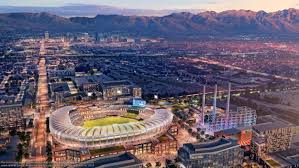
- Spring and Fall Challenges: April highs average 61°F, with lows in the 40s, and occasional snow or rain could disrupt early-season games. October, with highs around 65°F, poses similar risks. A proposed stadium in the Power District, possibly with a retractable roof, could address these issues, as suggested by Big League Utah’s planning.
- Fan Experience: Clear summer skies and Wasatch Mountain views, emphasized in Power District renderings, would enhance the game-day experience. However, cooler spring and fall evenings or summer thunderstorms could deter families without proper stadium design, requiring careful planning to maintain attendance.
The weather supports baseball but demands a stadium equipped to handle seasonal variability to ensure consistent play and fan comfort.
Ownership by the Miller Family: An Overly Corporate Approach
The Larry H. Miller Company, led by Gail Miller, is the driving force behind Salt Lake City’s MLB bid, with the Big League Utah coalition advocating for a franchise. Given their ownership of the Salt Lake Bees and past ownership of the Utah Jazz, the Miller family would likely own or control any MLB team, bringing their signature corporate-heavy approach, which has drawn criticism for prioritizing profits over family accessibility, as seen with the Bees’ new Daybreak stadium.
- Sports Ownership History: The Millers owned the Utah Jazz from 1985 to 2020, selling to Ryan Smith, and have owned the Salt Lake Bees since 2005. In April 2025, they acquired controlling interests in Real Salt Lake (MLS) and the Utah Royals (NWSL). This experience positions them as a capable ownership group, as noted by former MLB player Dale Murphy, who praised their community focus.
- Over-Corporatization Concerns: The Miller family’s management of the Salt Lake Bees’ new 7,500-seat stadium in Daybreak, opened in 2025, has faced backlash for its corporate focus. Fans have criticized high ticket and parking prices, which contrast with the more affordable Smith’s Ballpark, and the allocation of prime seating to luxury season ticket holders, limiting family access. The stadium’s design, with minimal family-friendly spaces and generic branding lacking bee-themed elements, has been called uninspired and profit-driven, alienating regular fans.
- Corporate Structure and MLB Plans: Through Miller Sports + Entertainment, the Millers operate with a corporate mindset, led by CEO Steve Starks. Their $3.5 billion Power District project, including a proposed MLB stadium, integrates the ballpark into a mixed-use development with housing and retail, prioritizing economic returns. The coalition’s $900 million in public funding via a rental car tax increase underscores their financial commitment, but the Bees’ experience suggests a risk of over-corporatization, with high costs and limited family-oriented amenities potentially carrying over to an MLB franchise.
The Miller family’s ownership would bring professionalism but could replicate the Bees’ issues, with a corporate atmosphere that prioritizes revenue over affordable, family-friendly experiences, potentially alienating a key demographic.
Atmosphere of a Salt Lake City MLB Team
The atmosphere of an MLB team in Salt Lake City would reflect the city’s sports culture, the Power District stadium’s design, and the Miller family’s corporate vision, potentially tempered by their profit-driven approach seen with the Bees.
- Stadium Design: The proposed Power District stadium, on a 100-acre west-side site, aims to be a year-round hub with retail and dining, similar to The Battery near the Atlanta Braves’ Truist Park. Accessible via TRAX and freeways, it promises scenic views of the Wasatch Mountains and downtown skyline. However, if it follows the Bees’ Daybreak model, it may prioritize premium seating and corporate suites over family zones, with high costs limiting accessibility.
- Sports Culture: Salt Lake City’s sports fans, who support the Jazz and Real Salt Lake, are enthusiastic, as noted by an anonymous MLB owner in ESPN reports. The city’s history hosting the 2002 Winter Olympics and NBA All-Star Games supports its capacity for major events. Yet, the Bees’ new stadium suggests the Millers may lean toward a polished, corporate vibe, potentially dampening the gritty fan energy seen at older venues like Smith’s Ballpark.
- Community Engagement: The Millers emphasize “enriching lives” through sports, with youth baseball programs and Olympic bid support. An MLB team could feature similar initiatives, but the Bees’ high prices and lack of family spaces raise concerns about genuine community focus, suggesting a more exclusive atmosphere unless corrected.
The atmosphere would likely be modern and corporate, with a risk of feeling inaccessible to families if the Millers replicate the Bees’ profit-first approach, despite the city’s vibrant sports culture.
Comparisons to the Utah Jazz and Utah Hockey Club
The Utah Jazz and Utah Hockey Club, both at the Delta Center, offer insights into how an MLB team might operate under the Millers’ corporate model, particularly in terms of ownership, fan base, and atmosphere, with the Bees’ issues highlighting potential pitfalls.
- Ownership and Management:
- Utah Jazz: Owned by Ryan Smith’s Smith Entertainment Group (SEG) since 2020, the Jazz operate with a corporate structure focused on community projects like downtown redevelopment. SEG balances profitability with fan engagement through youth programs and sponsorships.
- Utah Hockey Club: Also under SEG, the Hockey Club, launched in 2024 after acquiring the Arizona Coyotes’ assets, shares the Delta Center’s infrastructure, leveraging corporate sponsorships while building a fan base. Its management is professional but less profit-obsessed than the Millers’ recent ventures.
- MLB Team (Hypothetical): A Miller-owned MLB team would likely adopt a corporate model similar to the Jazz but with the Bees’ profit-driven flaws. The Power District’s scale suggests a focusurato on real estate revenue, potentially at the expense of family affordability, unlike SEG’s more balanced approach.
- Fan Base and Attendance:
- Utah Jazz: The Jazz enjoy strong attendance at the 18,300-seat Delta Center, with a family-friendly atmosphere bolstered by traditions like the Jazz Bear. Ticket prices, while high, are supported by corporate sponsorships, maintaining accessibility.
- Utah Hockey Club: As a new team, the Hockey Club draws enthusiastic “Clubbers” fans but faces long-term attendance risks if competing with MLB, per marketing lecturer David Schulz. Its Delta Center setting keeps costs manageable.
- MLB Team (Hypothetical): An MLB team would tap into Salt Lake City’s sports fan base, but the Bees’ high Daybreak prices and luxury focus suggest potential barriers. Baseball’s 81 home games, versus 41 for the Jazz and Hockey Club, could strain family budgets, especially if corporate pricing dominates, unlike the Delta Center’s broader appeal.
- Corporate Atmosphere:
- Utah Jazz: The Jazz’s atmosphere is corporate yet fan-centric, with premium suites balanced by family-oriented events. SEG’s community focus softens the corporate edge.
- Utah Hockey Club: The Hockey Club inherits the Jazz’s polished vibe, with shared sponsorships and a modern arena. Its inaugural season emphasizes accessibility over exclusivity.
- MLB Team (Hypothetical): The MLB team’s atmosphere, shaped by the Power District, risks being overly corporate, like the Bees’ stadium, with high costs and limited family spaces. Unlike the Delta Center’s inclusive feel, the Millers’ approach could prioritize premium experiences, alienating casual fans.
- Challenges and Competition:
- Salt Lake City’s 27th-ranked media market faces saturation risks with three major sports teams, per Schulz. The Jazz and Hockey Club share Delta Center costs, while an MLB team’s standalone stadium would rely on corporate revenue, potentially exacerbating the Bees’ pricing issues. The Millers’ real estate focus could mitigate this, but their failure to prioritize families with the Bees suggests a risk of alienating fans, unlike SEG’s more balanced strategy.
Conclusion
A professional baseball team in Salt Lake City would navigate a favorable but variable climate, requiring a weather-resilient stadium to maximize fan comfort and attendance. The Larry H. Miller Company’s likely ownership brings expertise but risks an overly corporate atmosphere, as seen with the Salt Lake Bees’ profit-driven Daybreak stadium, which prioritizes luxury over family affordability. The proposed Power District stadium could create a modern, vibrant atmosphere, but high costs and limited family spaces may mirror the Bees’ shortcomings, contrasting with the Utah:Jazz and Utah Hockey Club’s more inclusive Delta Center experience. While the city’s sports culture supports an MLB team, the Millers must address their corporate excesses to avoid alienating families, ensuring the franchise thrives in Utah’s competitive sports market.



Leave a comment